Epilepsy Surgery
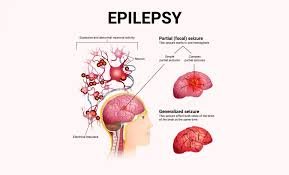
Epilepsy surgery is a specialized neurosurgical procedure designed to control or eliminate seizures in patients whose epilepsy does not respond to medications. The goal of surgery is to remove or isolate the area of the brain responsible for seizure activity while preserving important brain functions.
- Indications: Drug-resistant epilepsy, focal seizures originating from a specific brain region, or cases where medication side effects are intolerable.
- Procedure: Depending on the seizure focus, procedures may include resective surgery (removal of the seizure focus), lesionectomy (removal of an abnormal area), or corpus callosotomy (disconnecting nerve pathways that spread seizures).
- Anesthesia: Surgery is usually performed under general anesthesia, though in some cases awake craniotomy is done for brain mapping.
- Advantages: Significant reduction or complete cessation of seizures, improved quality of life, and potential reduction in long-term medication dependence.
- Recovery & Care: Hospital stay is typically 3–5 days. Patients may experience temporary fatigue or mild headaches. Regular neurological follow-ups and medication adjustments are essential after surgery.
- Precautions: Avoid strenuous activities for several weeks, attend all follow-up visits, monitor for any new neurological symptoms, and take prescribed anti-seizure medications as directed.
